NVIDIA Upgrades Physical AI Stack for Agents
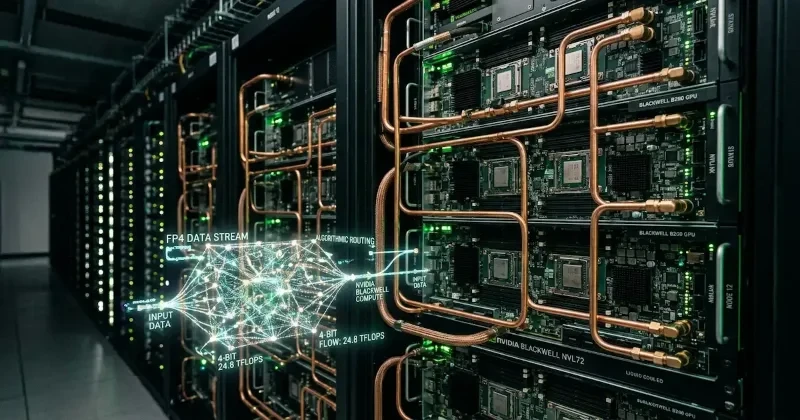
Building for the physical world has always been a fragmented process for robotics and simulation engineers. We have been watching this closely at The Ai World, and the biggest bottleneck has rarely been the hardware-it is the friction of manually wiring up disparate libraries. NVIDIA just flipped the script by optimizing its entire physical AI software stack for autonomous agents. By turning its core frameworks into agent-callable tools, the company is bridging the gap between generative AI coding workflows and physical deployment.
Summary
NVIDIA announced a sweeping restructure of its physical AI software ecosystem, transforming its core libraries, frameworks, and models into tools that autonomous AI agents can directly invoke. This update directly targets the developers, engineers, and researchers building the next generation of robotics, autonomous vehicles, and industrial automation.
The initiative spans NVIDIA’s entire specialized software portfolio. Key platforms being converted into agent-ready tools include NVIDIA Cosmos world foundation models for physical world reasoning, Omniverse libraries for simulation and digital twins, and Isaac for robotics simulation and robot learning. Additionally, Metropolis for vision AI, Alpamayo for autonomous driving, and the Jetson platform for edge AI development are joining the agent ecosystem.
To streamline implementation, NVIDIA is launching new "skills" within the NVIDIA Agent Toolkit. This toolkit transforms complex physical AI development processes into repeatable, structured instructions that coding agents can follow. The toolkit defines exactly which specific tools to call, standardizes parameters, and provides built-in validation protocols so developers can ensure the agent's output is safe and accurate.
Remarks
This is a massive win for the developer community. For years, NVIDIA's software ecosystem-while incredibly powerful-has felt like a walled garden with a steep learning curve. By exposing these libraries as agentic tools, NVIDIA is democratizing access to high-end simulation and physical AI frameworks.
We predict this move will trigger a wave of specialized autonomous coding agents tailored specifically for physical engineering. Just as we saw an explosion of web-dev agents after API ecosystems matured, we will now see agents capable of autonomously building digital twins and programming robot trajectories.
Compared to competitors like standard robotic operating systems or generalized cloud simulation tools, NVIDIA holds a distinct advantage here. They own the entire stack, from the underlying tensor cores to the world foundation models. By creating a unified agent toolkit, they are locking developers into an ecosystem where the hardware and the agentic software are perfectly synchronized. It is a smart, aggressive move to ensure NVIDIA remains the foundational compute layer for physical AI
Comparison Table
| Feature / Capability | Previous Workflow | New Agentic Workflow |
| Library Integration | Manual API configuration and boilerplate code writing | Automated tool calling via AI agents |
| Workflow Standard | Custom developer scripts for each platform | Repeatable instructions via NVIDIA Agent Toolkit |
| Simulation Setup | Human-configured environments in Isaac/Omniverse | Agent-initiated digital twin and simulation building |
| Validation | Manual testing and custom validation pipelines | Automated results validation via standardized skills |
NVIDIA’s transition toward an agent-ready software stack proves that the future of development belongs to autonomous workflows. By making their specialized physical frameworks accessible to AI agents, they are eliminating the friction that has held back robotics and digital twin development for years. This is a crucial step toward fully autonomous software engineering in the physical domain. We are tracking the rollout of the NVIDIA Agent Toolkit closely, and we will keep you updated as these agentic skills hit production environments