Nvidia Disrupts the AI PC Market with RTX Spark
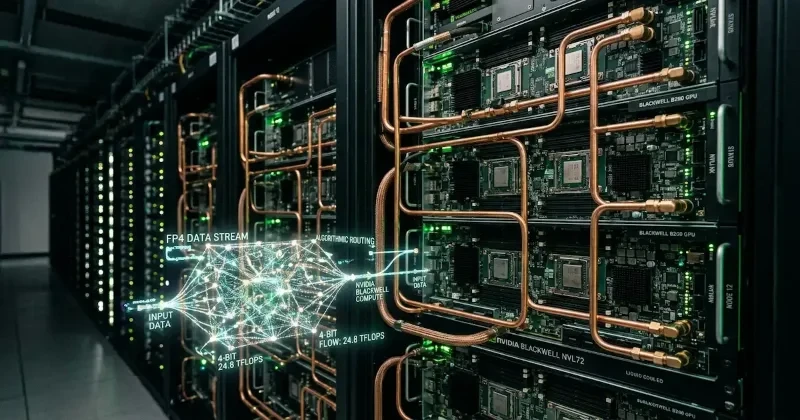
The race for local artificial intelligence just shifted into high gear. At the Computex trade show in Taiwan, Nvidia shook up the hardware landscape by introducing its RTX Spark superchip. While legacy hardware manufacturers have spent nearly three years attempting to sell mainstream consumers on basic AI features, Nvidia is targeting a completely different tier of users. We have been watching this space closely, and it is clear that the focus is shifting away from simple cloud-dependent features toward true, localized heavy computing.
Summary
Nvidia is entering the AI PC arena with a high-stakes bet on local processing superpower. Unveiled at Computex, the RTX Spark superchip combines a central processor, a graphics engine, and up to 128 gigabytes of unified memory onto a single architecture. Six major hardware manufacturers-including Microsoft, Asus, HP, Lenovo, Dell, and MSI-are already on board to build hardware around the new chip.
This chip is not designed to help average users format spreadsheets or edit consumer photos. Instead, it targets developers, software engineers, and content creators who need to deploy and run large AI models locally without relying on cloud APIs. Nvidia pitches a future where your machine acts as an autonomous digital agent, capable of debugging complex codebases or generating video locally.
However, market headwinds loom large. An ongoing memory chip shortage and high initial component costs mean these premium machines will likely remain niche tools for the foreseeable future. Analysts note that while enterprise interest remains healthy, overall global PC shipments are projected to drop by 11.3% in 2026. Traditional Windows PCs powered by Intel, AMD, and Qualcomm will still dominate mass-market sales while Nvidia carved out a premium workstation tier.
Remarks
Nvidia’s entry into this segment is a massive win for the developer community, even if it comes with a steep early-adopter tax. For years, Windows-based developers looking for high memory bandwidth to run local models had to look longingly at Apple’s ecosystem. Apple has held a virtual monopoly on unified memory since 2020, making high-end MacBook Pros the default choice for machine learning engineers wanting local compute.
Nvidia is finally breaking that monopoly. By placing 128GB of unified memory on a Windows-compatible architecture, they are bridging the gap between standard desktop workstations and remote AI servers.
Our prediction? This will accelerate the optimization of open-source models (like Llama and Mistral variants) specifically tailored for local Windows environments. The mass consumer market might reject high-priced AI PCs because they do not see the value in paying a premium for minor photo-editing upgrades. But for builders, local hardware that eliminates cloud tokens and brings down latency to milliseconds is an easy sell. Expect a clear bifurcation in the market: Intel, AMD, and Qualcomm will fight for mainstream corporate upgrades, while Nvidia dominates the high-end engineering stack.
| Feature | Standard AI PCs (Current Gen) | Nvidia RTX Spark Architecture |
| Primary Target | Mainstream users, general enterprise | Developers, creators, engineers |
| Memory Tech | Traditional split RAM / VRAM | Up to 128GB Unified Memory |
| Core Use Case | Transcription, minor image edits | Local LLMs, local code debugging, video generation |
| Cloud Reliance | High (for large model execution) | Zero (runs large models natively) |
Nvidia isn't building a laptop chip; they are building a local server that happens to fit in a backpack. While the broader PC market struggles with shifting demand, the demand for local developer-centric computing power is only growing. We will be tracking the official benchmark data and battery life metrics closely when these units hit the shelves this fall.